
The Truth in the Soil: What Is Really Growing Our Food?
When we think of farming, most of us picture a romanticized version of nature: rich earth, green fields, and sunshine. Even when we become aware of commercial agriculture, our minds usually go straight to synthetic pesticides and chemical sprays. But how deep does the rabbit hole actually go?
Let’s dig deeper—literally—into what is happening beneath our feet.
What’s Lurking in the Soil?
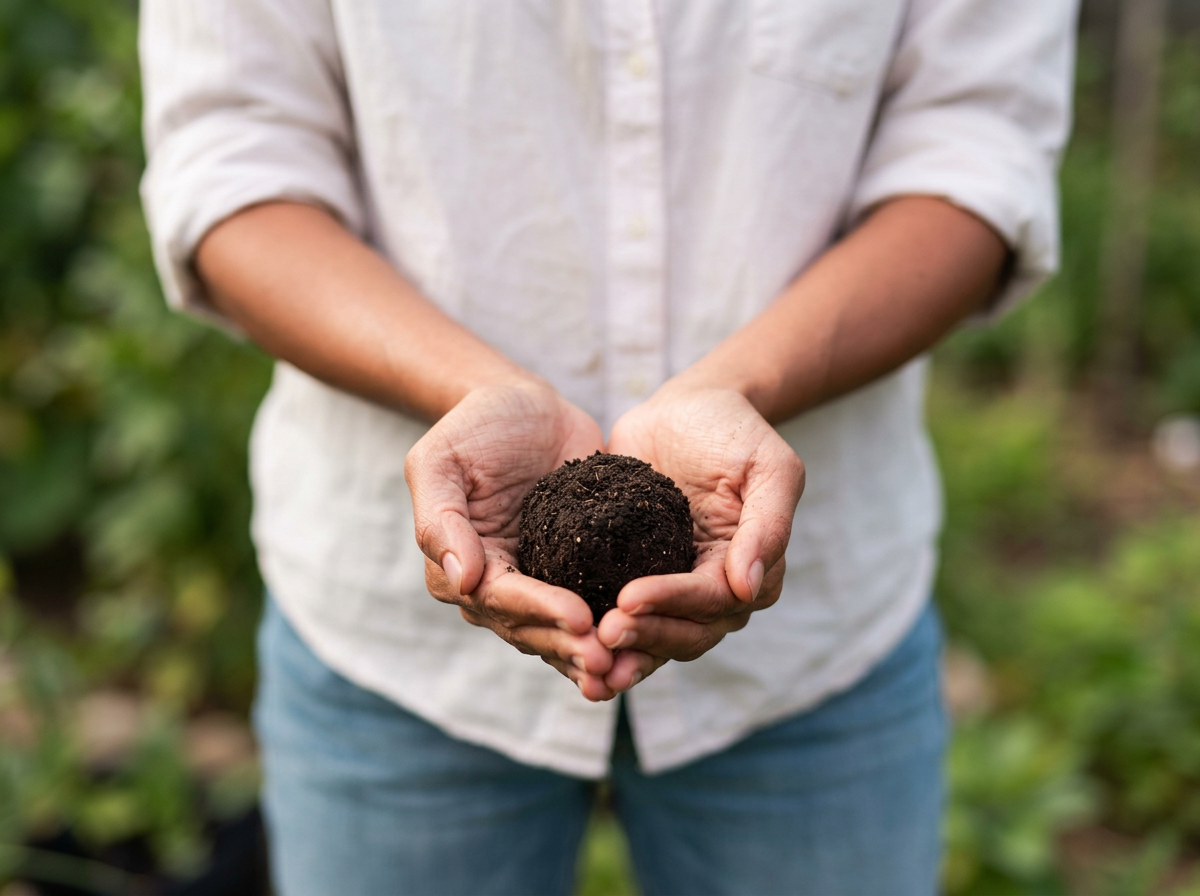
Soil
Even if a farm proudly displays an organic label, that doesn't automatically mean the soil is a pristine, natural ecosystem. Consider some of the inputs used in approved organic or conventional farming:
Animal Manure and Eggshells: Commonly used to enrich soil nutrients.
Animal-Derived Inputs: Manure is commonly used as a fertilizer in both conventional and organic agriculture. For us, the larger question is philosophical as well as agricultural: if we want to grow food without relying on animal agriculture, why should animal waste be the foundation of our soil fertility? At Little Logan's Farm, we take a different approach, building fertility through plant-based materials and natural nutrient cycles.
The Hidden Additives: From specialized worm applications to soil amendments designed to "force" production, many modern farming practices take the life out of the soil and rely entirely on artificial inputs to make it work.
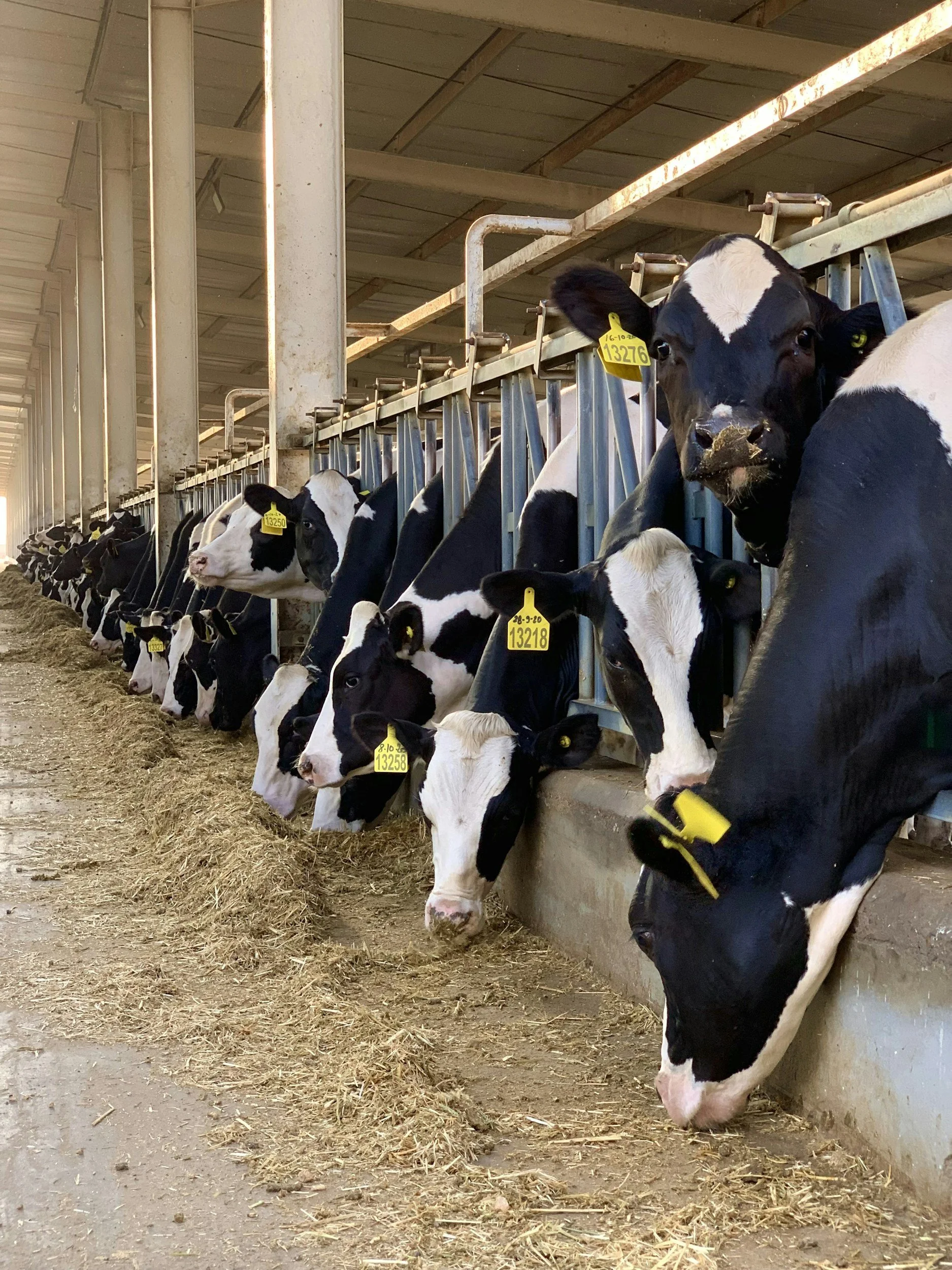
Meat Farm
The Mystery of Food Sensitivities Abroad
This brings up a fascinating question about our health. Many people who suffer from severe gluten sensitivities in the United States—experiencing bloating, fatigue, and discomfort—can travel to other countries and eat pasta or bread with zero issues.
Why might that happen? There isn't one simple explanation. Wheat varieties, fermentation methods, serving sizes, processing, and other dietary differences can all vary from place to place. What the question reinforced for me, however, was a desire to understand food beyond the finished product—including how ingredients are grown and produced.
Gluten
Lessons from the Vineyard: The Power of Resilience
My perspective on this shifted dramatically through my work with wine. I've met wine club members who weren't vegan, yet they sought out vegan wines because they were allergic to hidden animal by-products like fish bladders or egg whites (often used for fining). It proved that what goes into the production process matters deeply to our physical bodies.
Even more striking is what I’ve witnessed in vineyards around the world.
Vineyards do not actually need massive amounts of water or synthetic fertilizers.
When I was in Chile, I saw an abandoned vineyard taken over by young, intuitive winemakers. Because these vines had been left to themselves, they faced water scarcity. Instead of dying, the roots adapted. They stressed, pushed deeper into the earth, and sought out natural hydration on their own. They stopped relying on artificial support systems. The result? Grapes that produced some of the most top-notch, exceptionally delicious wine I have ever tasted.
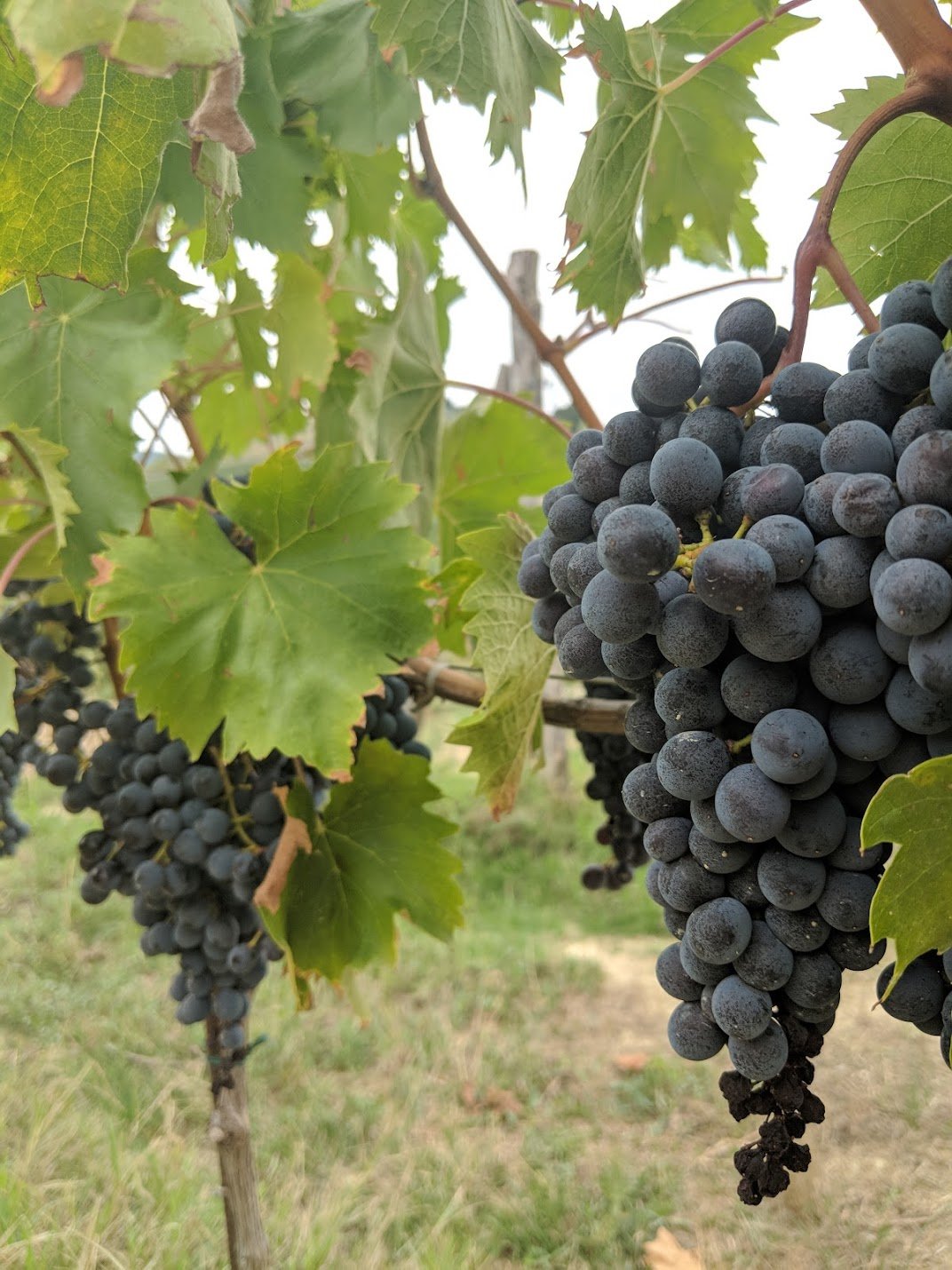
Healthy Vineyard
From Witnessing Damage to Growing Our Own
When my partner Eric—who doesn't even really drink—was traveling through vineyards with me to learn about the craft, he had a sobering realization. He looked at me one day and said:
"Frances, if this is all that can go into a vineyard, imagine our food."
That exact moment changed everything for us. It helped shape the way we eventually chose to farm: without animal-derived inputs and with a focus on plant-based fertility, living soil, biodiversity, and natural nutrient cycles. Today, that philosophy is reflected in Little Logan's Farm becoming America's first certified Biocyclic Veganic farm.
We have caused a lot of damage to Mother Nature, and the shift happening from the chemicals in our soil—and the air we breathe—is something we can no longer ignore. It’s time to question what we are feeding our bodies by questioning what we are feeding the earth.
"True health doesn't start in the kitchen; it begins in the uncompromising integrity of the soil."— Frances
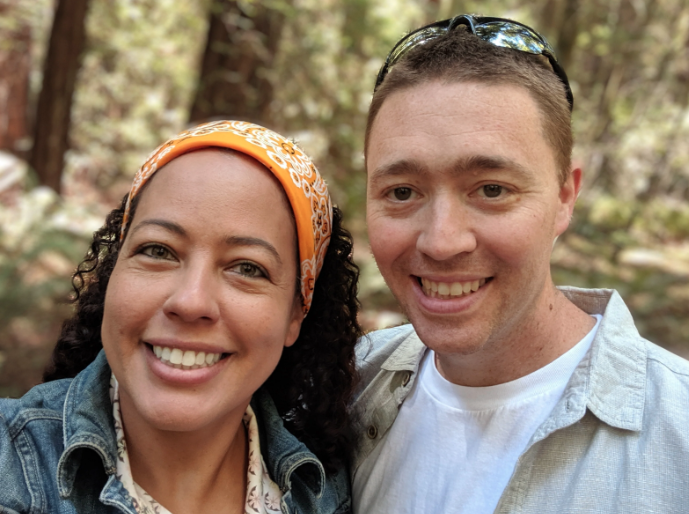
Frances Gonzalez and Eric Linn
